Geckos (Did you know?)
Sometimes, the best ideas aren’t invented—they’re borrowed from nature. 🦎
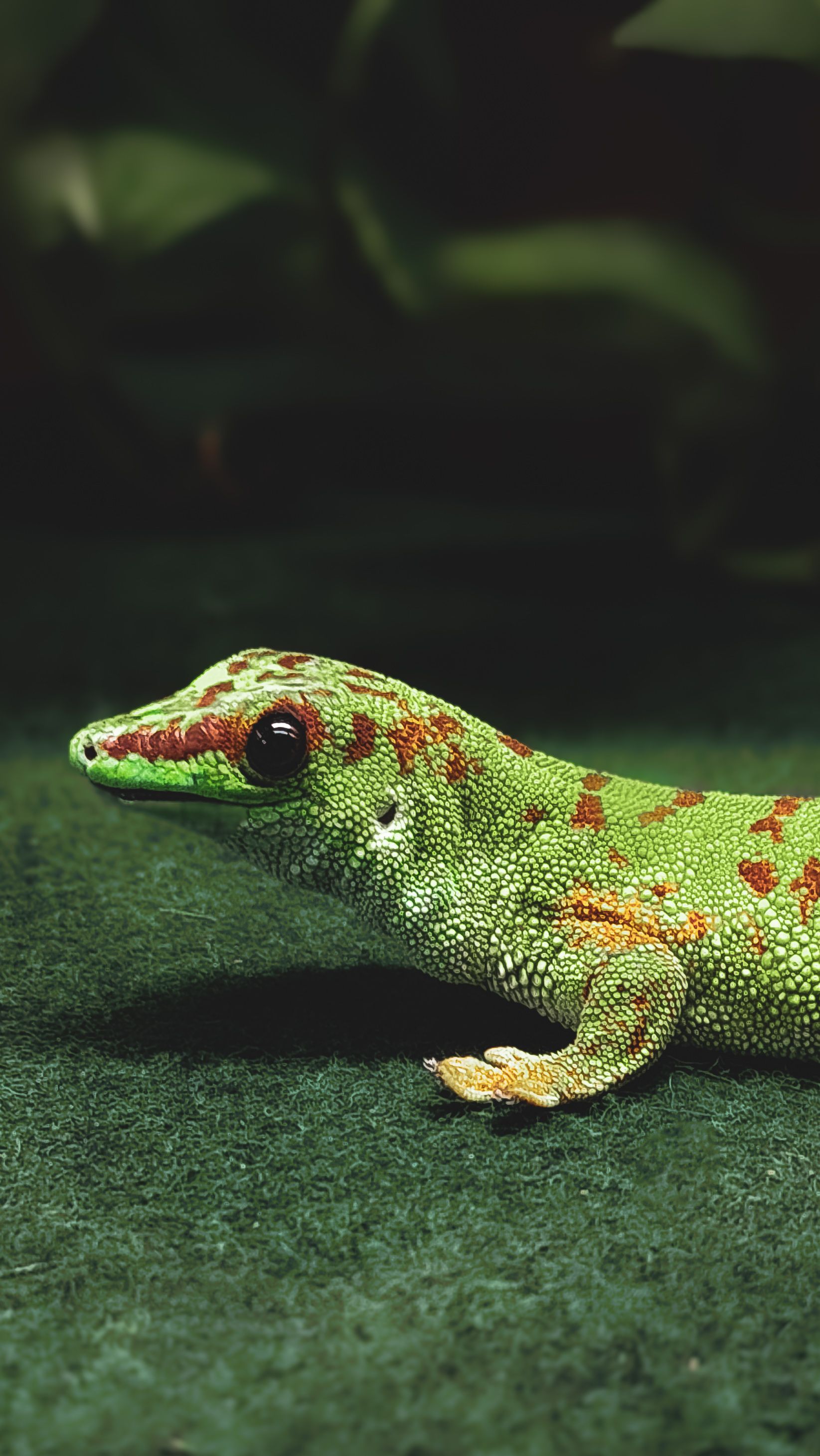
Science has seen many feats of ingenuity that one would associate with being the product of the human mind, but what if it didn’t have to be original? What if slimy reptiles like geckos have something to do with the latest advancements in the field of adhesion and adhesive materials? Turns out - they do.
Gecko feet have millions of microscopic structures called setae, which branch out even further into spatulae as you zoom in. These structures come into extremely close contact with the surface, allowing Van Der Waals forces to come into play and giving the gecko’s feet their stickiness.
The principle behind the adhesion - van der Waals forces - are weak forces of attraction that can arise between atoms and molecules due to fluctuations in their electron distributions. Even though these forces are weak, they add up because of the enormous contact area created by all those spatulae on the gecko’s foot, giving it the ability to support its entire body weight on a single toe.
Engineers have copied this clever design from nature to make something called artificial gecko skin, a ‘dry’ adhesive. At first glance, this just looks like a strip of plastic that doesn’t stick to anything in particular, not even tape. But when you drape it over a relatively smooth object, like a water bottle or a plastic packet, it can hold it up. In fact, the adhesive property of the material is strong enough for a human to scale a glass wall with just two hand-sized ‘gecko pads’.
This material is especially useful for applications where one needs an adhesive, but also needs a convenient way to ‘turn it off’. Think of a small robot climbing walls, or some sort of hook used to grab objects in zero-gravity environments.
We humans don’t always have to come up with novel design ideas. Sometimes, we can reliably copy from millions of years of clever evolutionary designs, with the gecko’s foot being just one example 🦎 .
Can you think of any other designs in nature that we can draw on to inspire intelligent technologies?
Comments